Toronto’s Policing Strategies and Community Responses: Recent Developments
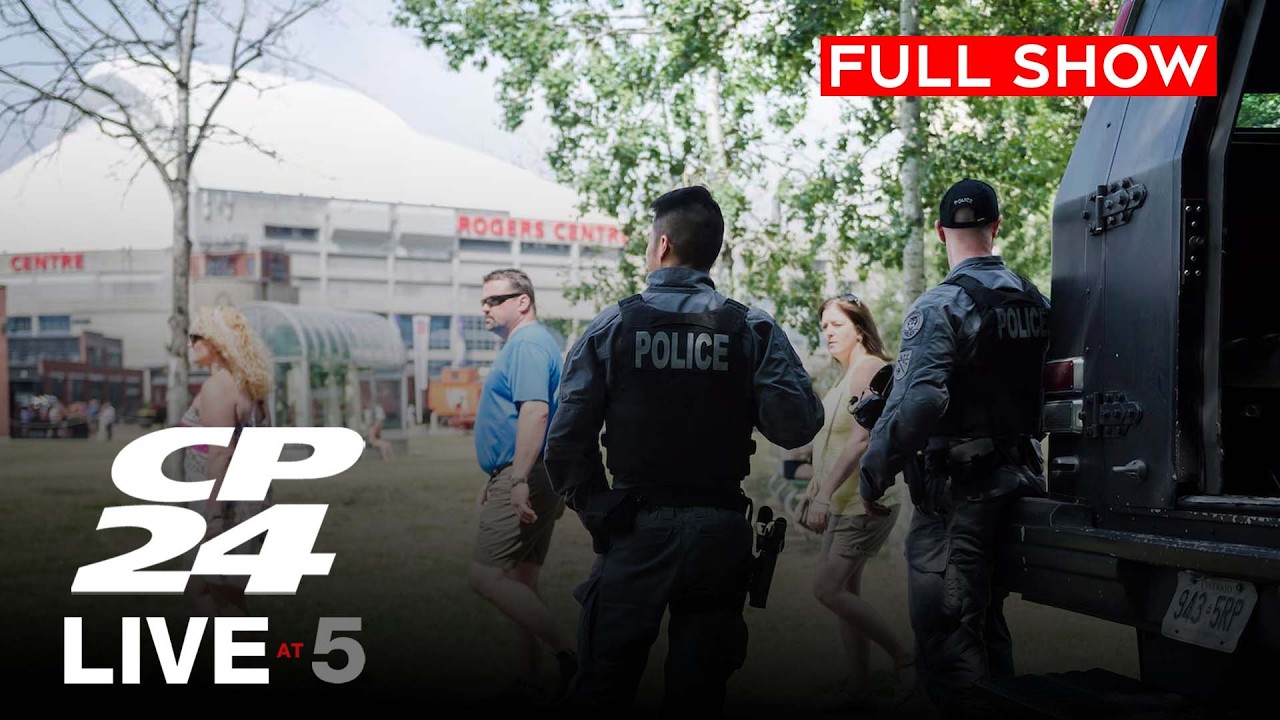
Recent announcements from the Toronto Police Services have ignited conversations on community safety, civil liberties, and educational funding. Starting with enhanced security measures, Toronto residents can expect an increased police presence in tactical gear at prominent locations such as places of worship and tourist attractions. This is due to the launch of a new task force aimed at countering potential threats in what is described as a complex global landscape of terrorism and extremism. While police officials argue that this initiative is a proactive measure rather than a response to imminent threats, the move raises important questions about public safety and its implications for civil liberties.
Toronto Police Chief Myron Demku emphasized the necessity of this strategy in light of recent incidents, such as shots fired at synagogues in the United States and the upcoming FIFA World Cup, which will take place in Toronto. The Chief clarified that the firearms in use, such as the C8 carbine rifle, are semi-automatic and designed for accuracy, supporting swift and effective responses in case of urgency. He stated, "Visible police presence matters when it comes to deterring violence and reassuring our communities." This initiative illustrates a significant shift towards a more militarized approach to policing public spaces, which may have enduring impacts on community-police relations.
In a parallel vein of heightened tension, the Toronto Police announced that protesters will now be banned from demonstrating on residential streets in the Bathurst and Shepard neighborhood. This prohibition comes after ongoing protests, predominantly from pro-Palestinian groups, have been met with accusations of promoting hatred, particularly against the local Jewish community. Local residents have expressed concerns about safety and the nature of public demonstrations affecting their neighborhoods. The police’s measures underscore a balancing act between maintaining order and honoring citizens’ rights to protest.
On a separate but equally pressing front, student protests erupted at Queen’s Park in opposition to recent alterations to the Ontario Student Assistance Program (OSAP) by Premier Doug Ford’s government. Students voiced strong concerns that the changes, which significantly reduce the proportion of grants, will trap them in a cycle of debt, stifling their educational ambitions. With funding models shifting to favor loans over grants—down to 25% grants from the previous 85%—students fear they will emerge from their studies burdened by debt without guaranteed job opportunities.
Many demonstrators articulated the grave consequences they anticipate from these changes. One student lamented, "Taking on this much debt, it’s just not worth it." The stakes are especially high for those considering whether to continue their education, a decision made increasingly difficult by fears of financial instability post-graduation.
Combining police presence and educational upheaval, these developments reveal an underlying tension between safety, freedom, and the privilege to access education without undue financial strain. Policymakers are urged to consider the ramifications of their choices on community safety and social equity.
As Toronto prepares for a future that includes both a heightened security presence and a shifting educational landscape, residents and students alike are grappling with concerns about government actions that could reshape the city’s social fabric. It is crucial for ongoing dialogues about public safety, civil rights, and educational accessibility to remain front and center in shaping policy frameworks that resonate with a diverse and dynamic community.
While police initiatives aim to protect and reassure the public, they must be carefully weighed against individual rights and community sentiment. Similarly, as the government navigates educational reforms, the voices of students must be heard to ensure that education remains a pathway to opportunity rather than a source of financial distress. The trajectory of these policies will likely define Toronto’s future as a city committed to security, education, and respect for civil liberties.